
Weld Failure Analysis: How Experts Determine the Root Cause

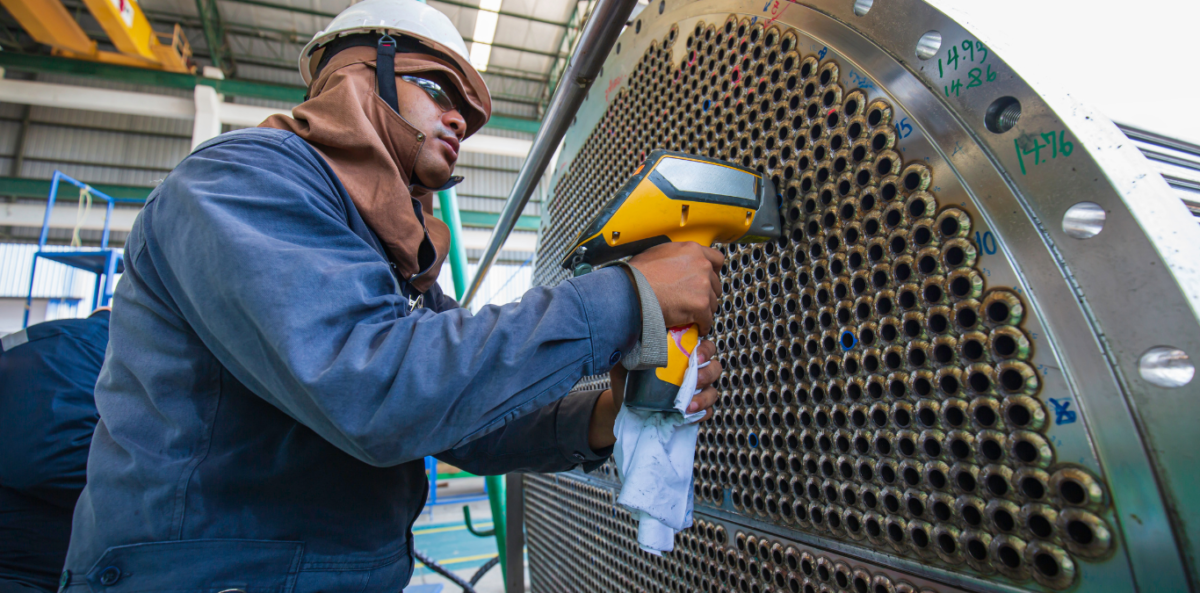
Weld failure analysis plays a critical role when a welded component does not perform as expected. Whether the issue involves a structural weld, pressure system, tank, pipeline, vehicle component, or fabricated assembly, identifying the true cause of failure is essential for safety, compliance, and long-term reliability. Rather than relying on assumptions, this process provides a structured way to understand what happened, why it happened, and how similar issues can be prevented moving forward.
Why Failures Require a Structured Investigation
When a weld fails, the cause is not always obvious. It is easy to assume the issue stems from poor workmanship, but failures often involve multiple contributing factors. Design, material selection, fabrication practices, welding procedure compliance, loading conditions, and service environment can all play a role. This is where weld failure analysis becomes especially valuable.
A thorough investigation looks at the full lifecycle of the component. That may include reviewing drawings, specifications, welding procedures, inspection records, repair history, and how the part was used in service. By taking a broader view, it helps ensure conclusions are based on evidence rather than assumptions.
What Experts Look for During Evaluation
During an investigation, experts examine both the weld and the surrounding material to identify where and how the failure occurred. This often includes visual inspection, documentation review, metallurgical evaluation, and close examination of fracture surfaces or affected areas.
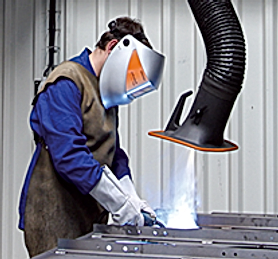
Key questions typically include:
- Did the failure originate in the weld metal, base metal, or heat-affected zone?
- Was the weld consistent with the specified procedure?
- Were the materials appropriate for the application?
- Were there external factors such as loading, fatigue, corrosion, or impact involved?
- Did the failure appear sudden, progressive, or related to long-term service exposure?
Answering these questions allows weld failure analysis to move beyond surface observations and toward a clearer understanding of root cause.
The Role of Materials and Service Conditions
Not all failures begin during fabrication. In many cases, service conditions contribute significantly to the outcome. Repeated loading, vibration, temperature changes, chemical exposure, or corrosive environments can weaken a weld over time, even if it was originally acceptable.
A detailed weld failure analysis considers how the material behaved throughout its service life. It also evaluates whether the selected materials, filler metals, and procedures were appropriate for the intended application. This distinction matters because the correct repair depends on the correct cause. A fabrication issue may require procedure changes, while a service-related issue may require design updates, material changes, or better environmental controls.
Why Independent Expertise Matters
In situations involving disputes, insurance claims, product concerns, or construction defects, independent evaluation becomes especially important. An objective investigation helps separate technical facts from assumptions, opinions, or incomplete information.
At WJMG, expert consultant services include failure analysis of welds, metallurgical determinations, alloy analysis, and welding engineering support. Their work spans pipelines, pressure vessels, tanks, transportation vehicles, mass-produced products, and construction-related applications. With this level of experience, weld failure analysis can provide insights that hold up under technical review, litigation support, and expert consultation needs.
Turning Findings Into Actionable Improvements
The value of weld failure analysis extends beyond identifying what went wrong. It also helps organizations prevent similar issues in the future. Once the root cause is understood, corrective actions can be implemented to improve performance, reliability, and documentation.
These improvements may include refining welding procedures, improving welder qualification processes, verifying material selection, updating inspection requirements, or adjusting design considerations to better match service conditions. In some cases, findings may also support repair planning, replacement decisions, or clearer communication between owners, engineers, fabricators, and legal teams.
Clarity When the Cause Matters Most
When approached correctly, weld failure analysis provides more than answers. It delivers clarity, supports better decisions, and helps organizations move forward with greater confidence in their welded components. For companies facing uncertainty after a failure, expert evaluation can turn a complex technical problem into a clear path for resolution.