
Mounting, Etching, Grain Size
Mounting, Etching, Grain Size
Essential Mounting, Etching & Grain Size Testing
Accurate metallurgy testing starts with proper specimen preparation. Mounting, controlled etching, and accurate grain size determination create a stable, readable sample for microscopic examination and hardness testing. At Welding & Joining Management Group (WJMG), we provide metallographic sample preparation and testing for welds, metals, and other industrial materials.
Our laboratory performs cold and hot mounting, prepares and etches multiple metal types, and conducts grain size determination in accordance with ASTM E112 when required.
Why Is Mounting Important in Metallographic Testing?
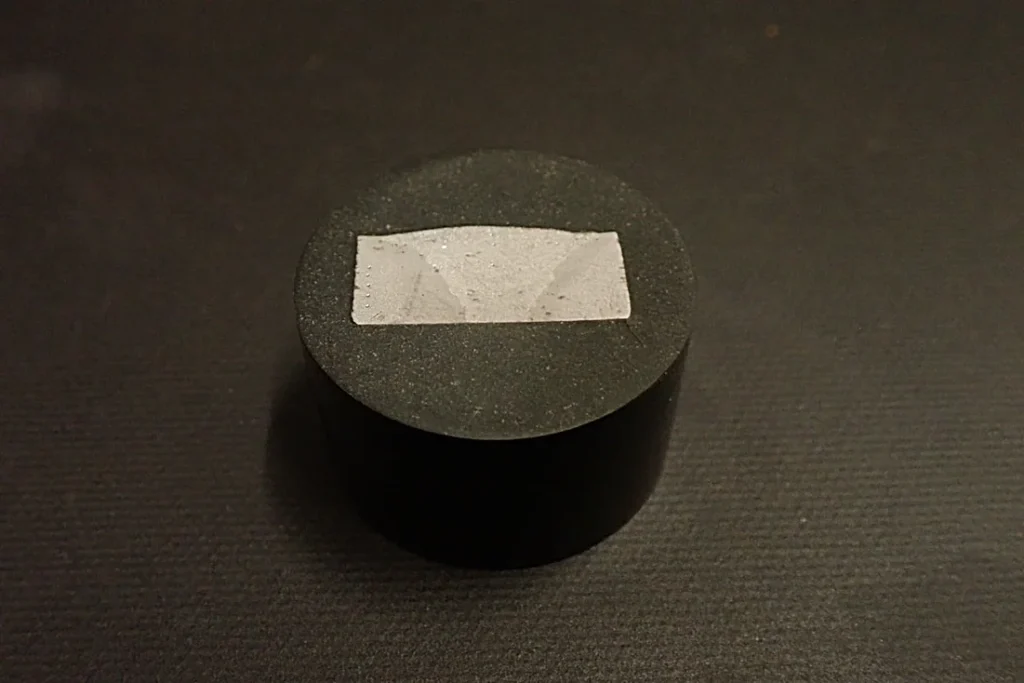
Mounting supports a metal sample so it can be handled, polished, examined, and tested more consistently. This process is especially helpful when a specimen is small, irregularly shaped, or requires a stable surface for additional testing.
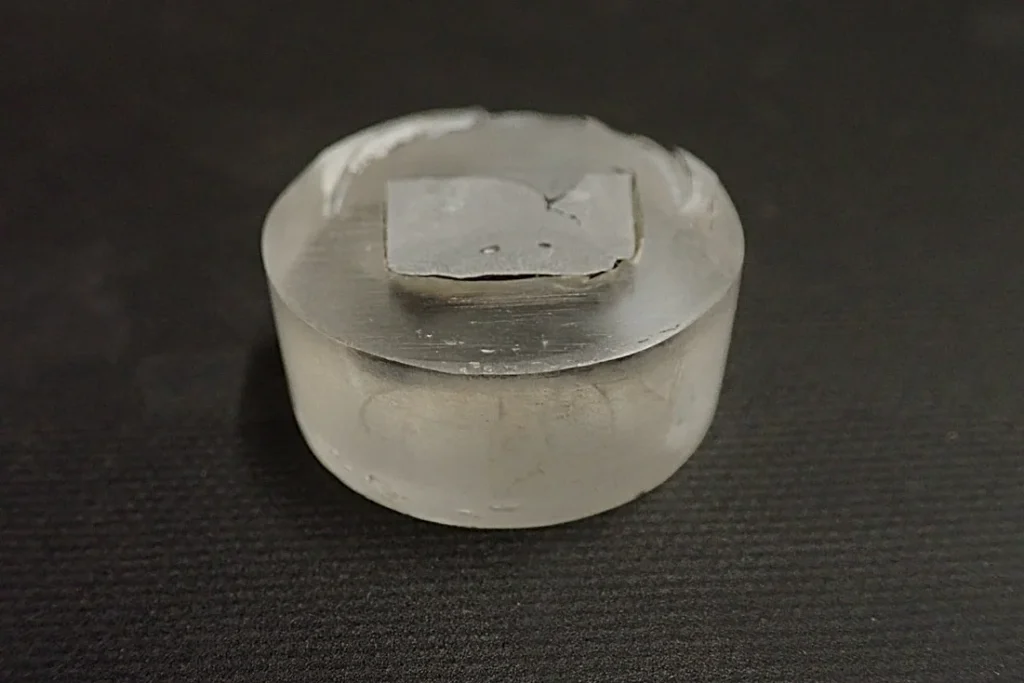
WJMG offers both hot and cold techniques depending on the specimen and testing requirements. Cold techniques can be used for larger specimens, while hot techniques are available for smaller specimens.
Proper mounting also helps create the flat, parallel surface needed for accurate evaluation. This is particularly important when preparing samples for hardness testing methods such as Vickers and Rockwell.
Rather than treating this as a separate step, we prepare each specimen with its final testing or examination requirements in mind.
What Is an Etching Process in Metallography?
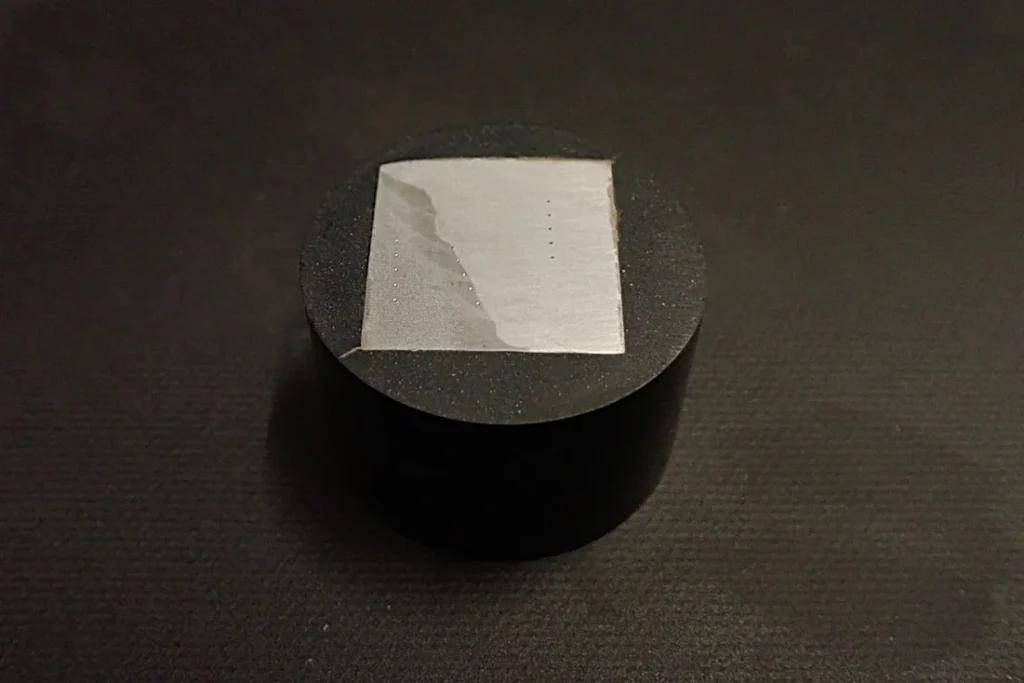
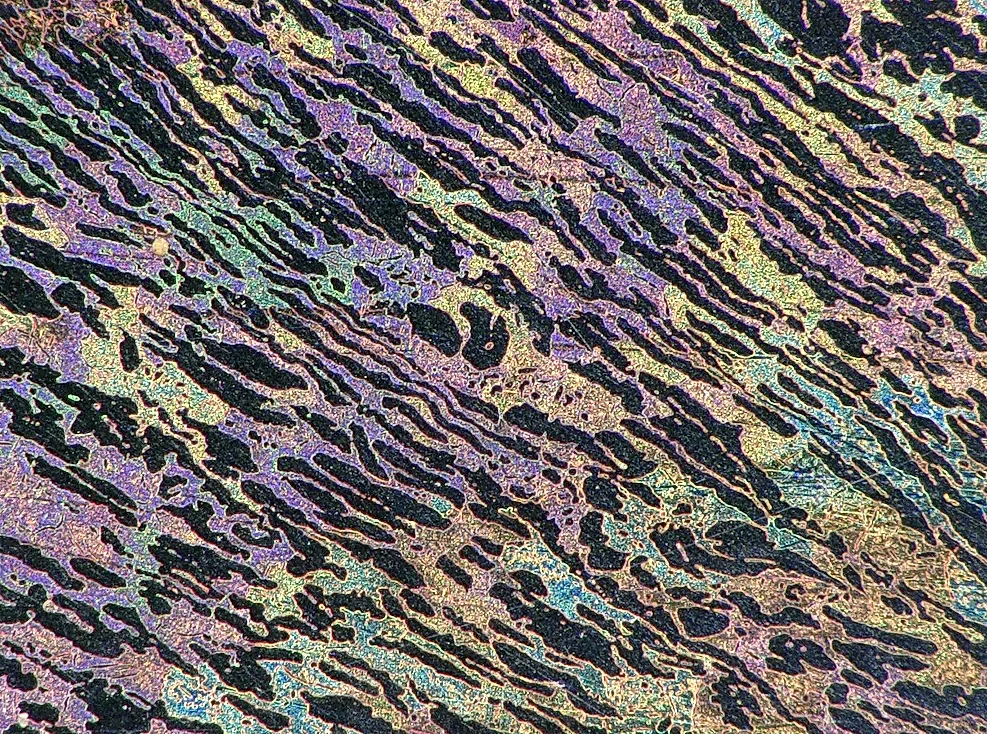
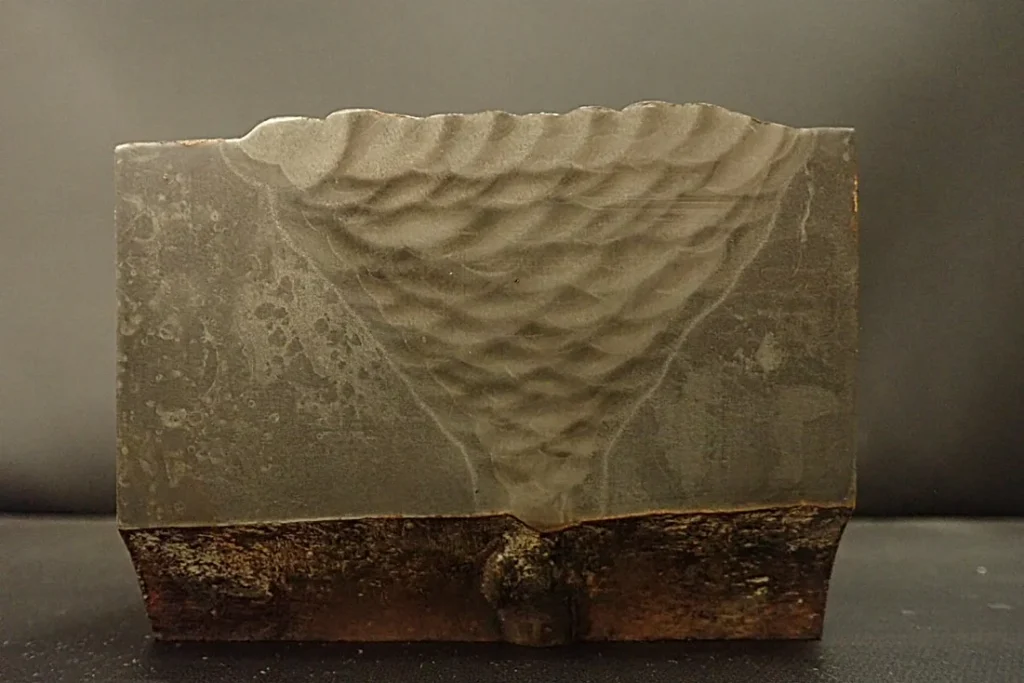
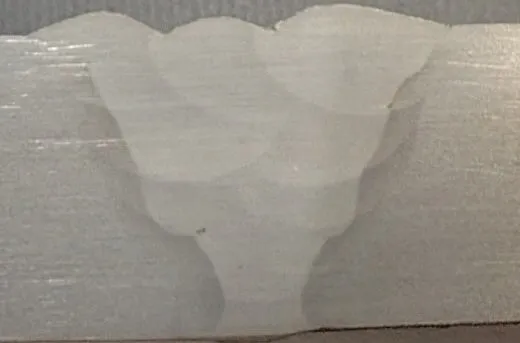
In metallography, etching is a controlled process used to reveal structural features that may be difficult to see on a polished surface alone. The process creates visual contrast between different areas of the specimen.
This can help reveal:
- Weld metal
- Heat-affected zones
- Base metal
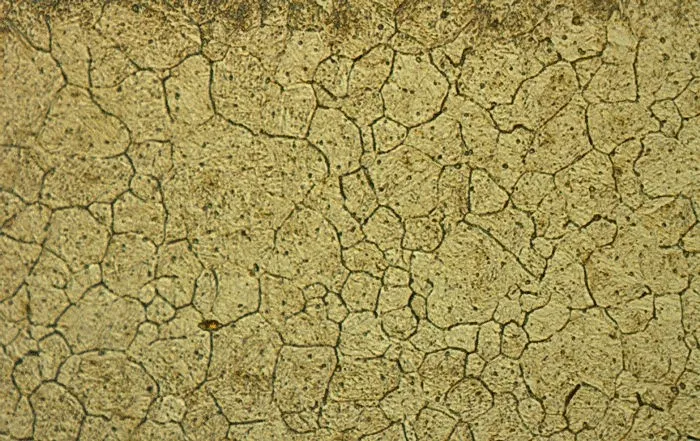
- Grain boundaries
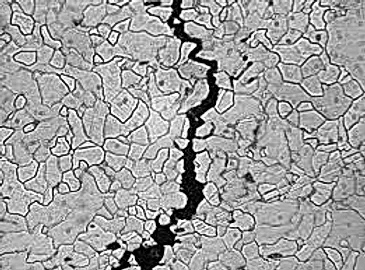
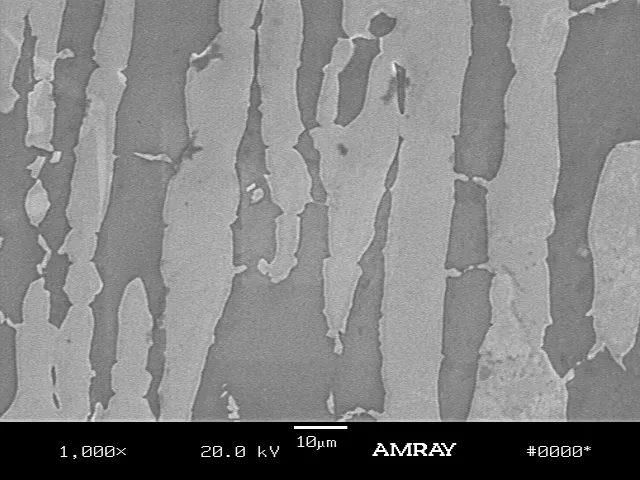
- Changes in microstructure
This is useful for macro examinations, weld evaluations, hardness traverses, microscopy, and grain size analysis.
WJMG has the ability to etch carbon steel, stainless steel, aluminum, and many other materials. Because different metals respond differently, the preparation and approach should match the material being examined and the information being evaluated.
The objective is not simply to make the surface darker. Proper etching reveals useful metallurgical features while maintaining a specimen that can be clearly examined.
Why Does Grain Size Matter?
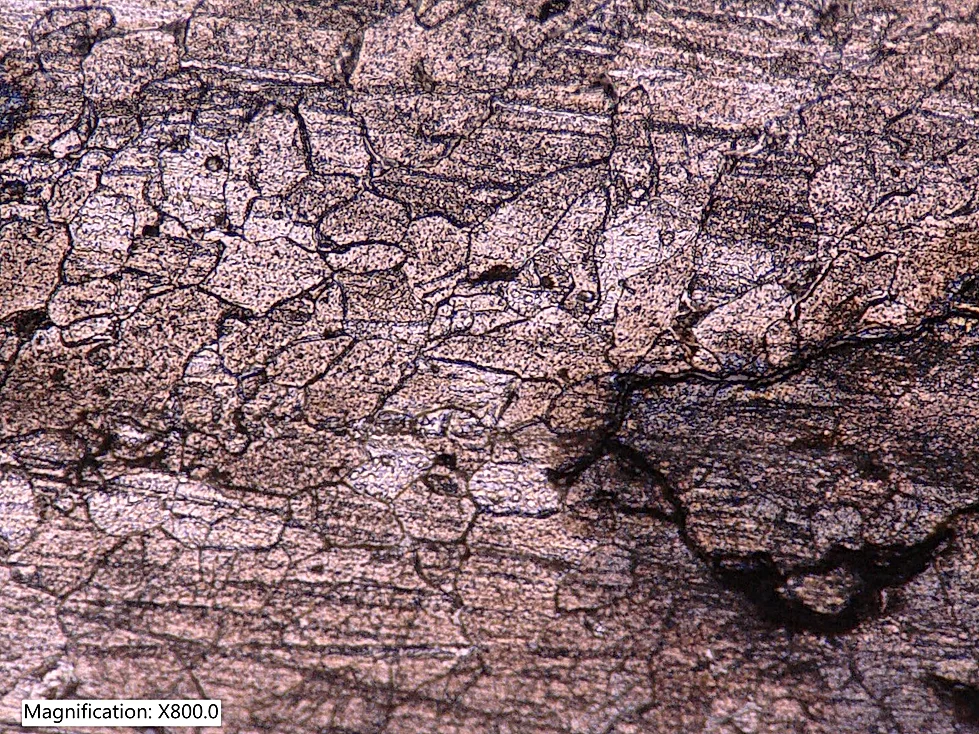
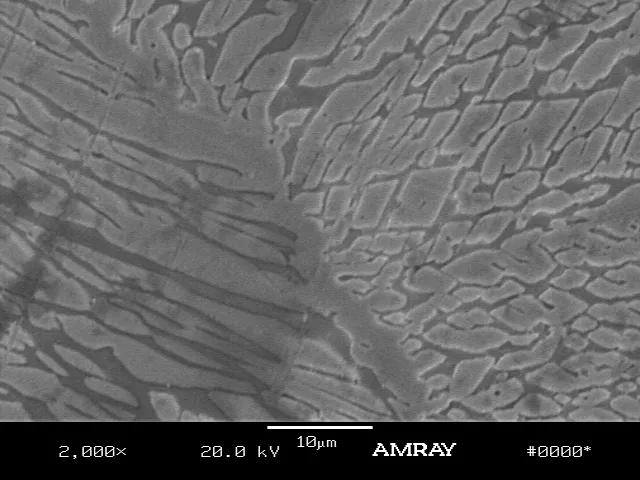
Grain size provides important information about a metal’s microstructure. Welding processes, heat input, heat treatment, and manufacturing conditions can influence the structure of a material.
WJMG performs size determination in accordance with ASTM E112. This standard provides established methods for determining average size in metallic materials.
Evaluating can help characterize changes within a material that may not be apparent through visual inspection alone. The information can be useful when examining welds, heat-treated components, manufacturing processes, or material conditions.
Accurate analysis also depends heavily on specimen preparation. Mounting stabilizes the sample, polishing prepares the examination surface, and etching exposes the grain boundaries that need to be evaluated.
Each step contributes to a clearer and more useful result.
A Complete Approach to Metallographic Sample Preparation
Mounting, etching, and grain size testing work together as part of the metallographic examination process. Performing these steps with the final evaluation in mind helps produce a specimen that can be examined more effectively.
WJMG’s mechanical testing capabilities also include Rockwell, Vickers, Knoop, and Brinell hardness testing, macro-etch examination, microhardness preparation, and microscopy.
For projects involving weld quality, material condition, heat-treatment effects, or changes in microstructure, careful specimen preparation can provide valuable information about what is happening inside the material.
Metallographic Testing in Colorado
WJMG provides mechanical testing and metallurgical laboratory services from our Frederick, Colorado facility.
Whether your project requires mounting, etching, grain size determination, hardness testing, or related metallographic examination, our team can help identify the appropriate preparation and testing approach for your specimen.
Contact WJMG to discuss your material, applicable specification, and testing requirements.