
Charpy Impact Testing
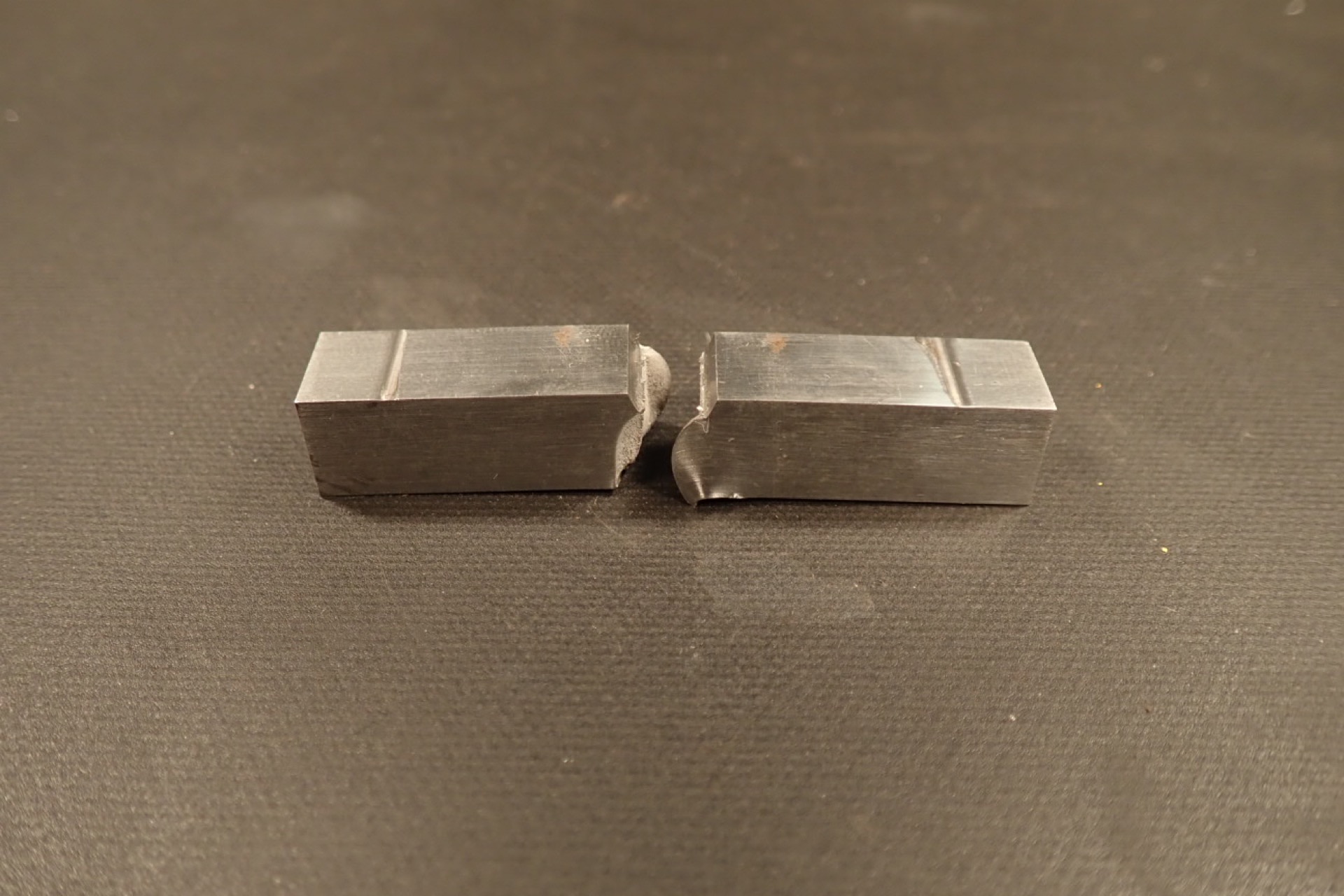
Charpy Impact Testing
Proven Charpy Impact Testing and CVN Testing Services
Charpy impact testing is used to evaluate how much energy a metal can absorb before fracturing under a sudden impact. At Welding & Joining Management Group® (WJMG), we provide CVN testing for metals, welds, and qualification work at our Frederick, Colorado laboratory.
Our Charpy V-notch testing equipment is NIST verified annually, and WJMG can perform cold-condition testing. Testing can be completed to applicable ASTM, AWS, ASME, API, and project-specific requirements.
What Is a Charpy Impact Test?
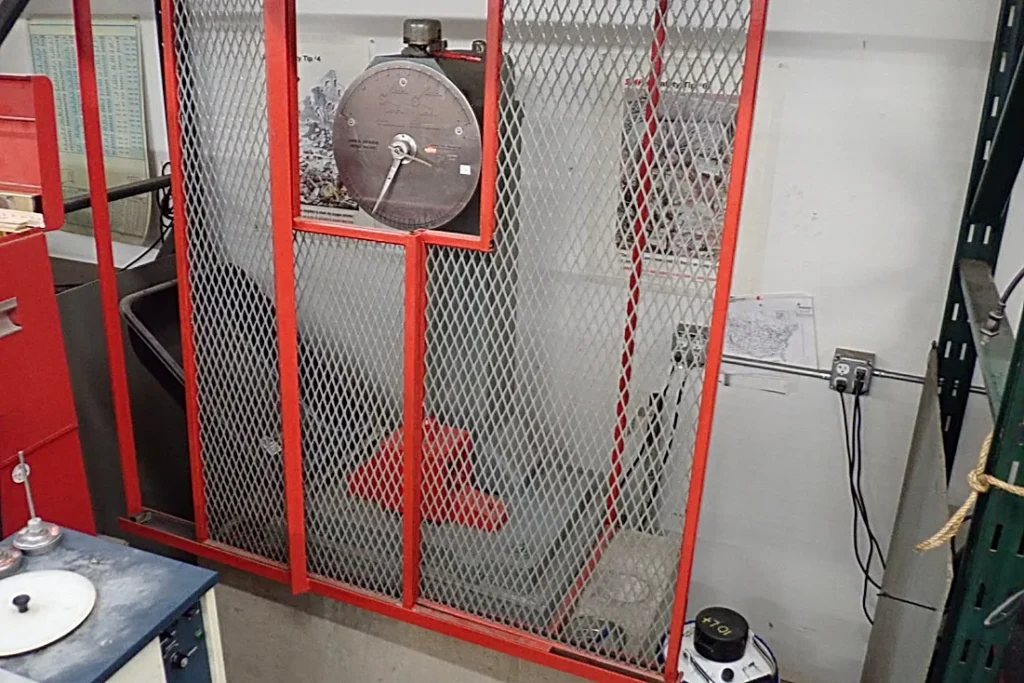
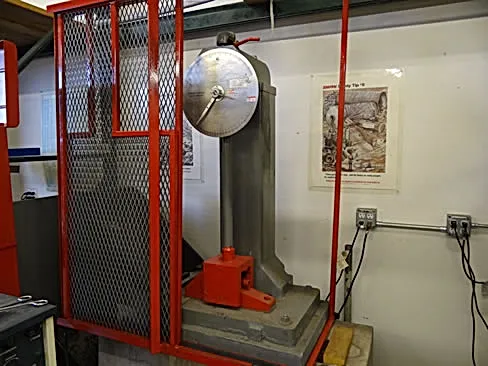
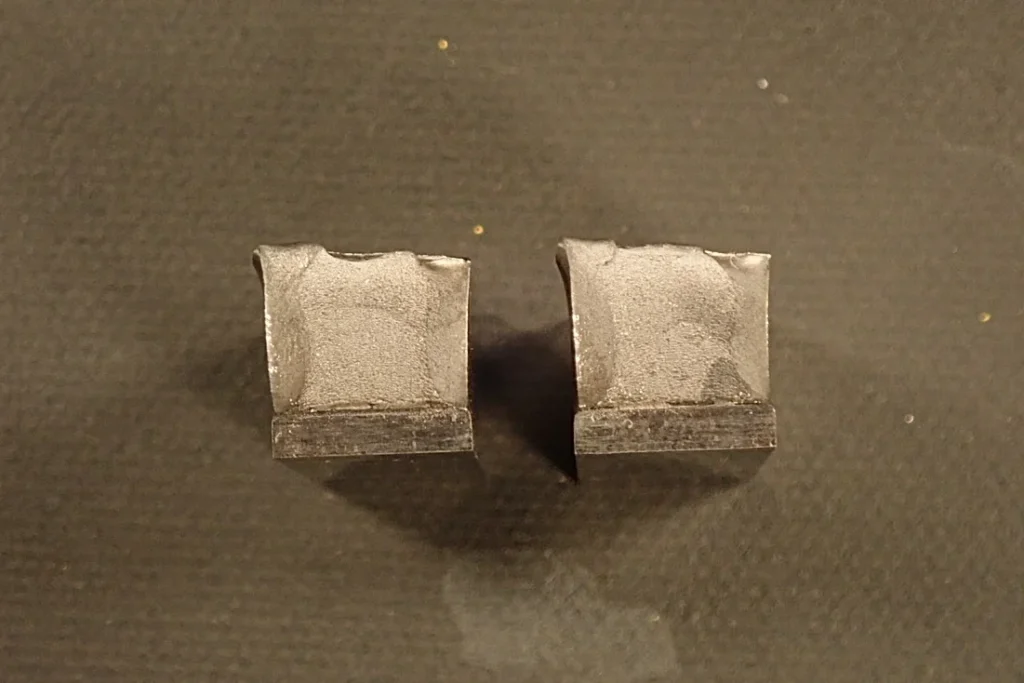
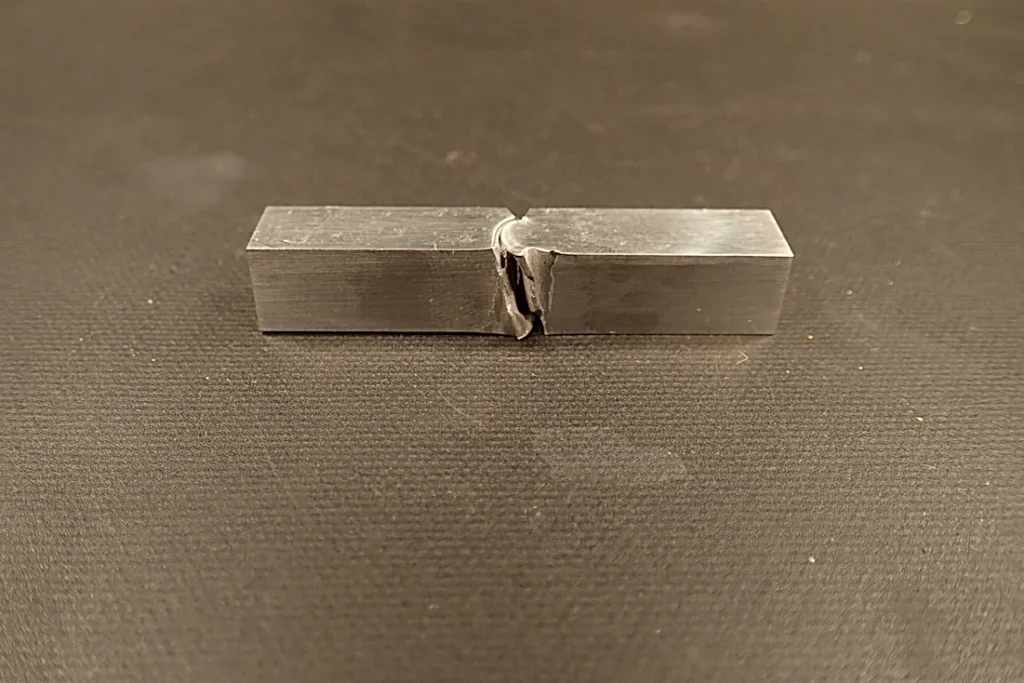
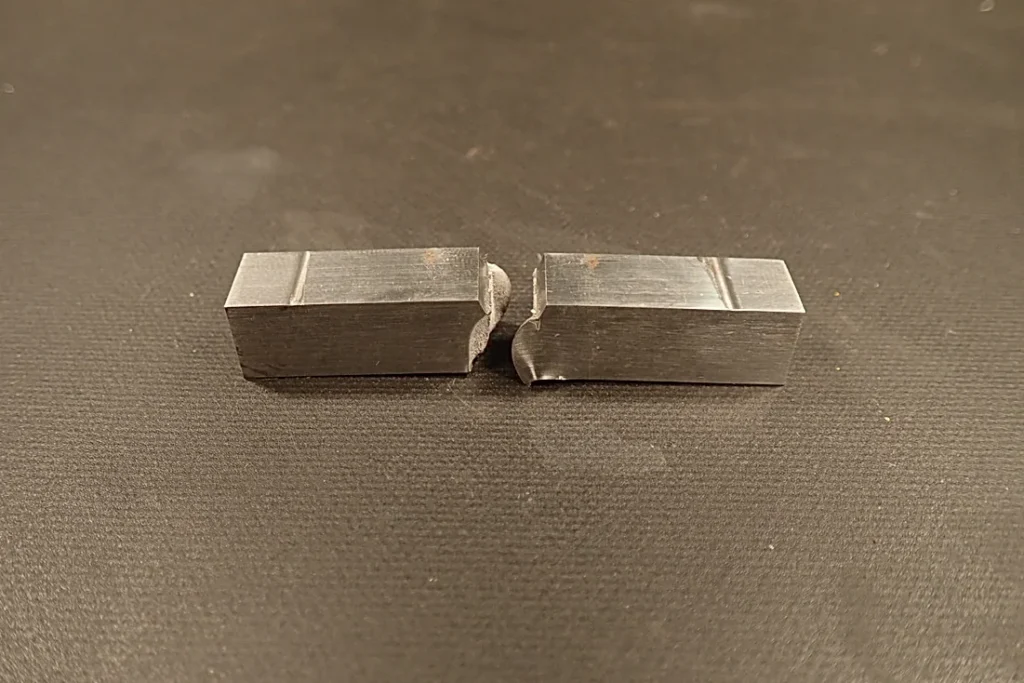
A Charpy impact test is a prepared metal specimen with a V-shaped notch placed in a Charpy testing machine. A pendulum strikes the specimen opposite the notch, causing it to fracture. The machine then measures how much energy the material absorbed during the impact.
That absorbed-energy value helps engineers, inspectors, and manufacturers understand how a material behaves under sudden loading.
The most common form is the Charpy V-notch test, often referred to as CVN testing. It is widely used when evaluating metals and welds for demanding applications where impact toughness matters.
How Does CVN Testing Work?
The CVN testing process is relatively straightforward, but accurate specimen preparation and temperature control are important.
A typical test includes:
- Preparing the specimen to the required dimensions
- Machining the V-notch in the specified location
- Conditioning the specimen to the required temperature
- Positioning the specimen in the impact testing machine
- Striking the sample with a pendulum
- Recording the absorbed impact energy
The exact specimen size, notch orientation, test temperature, and acceptance criteria depend on the applicable standard or project specification.
What Does a Charpy Impact Test Measure?
A Charpy impact test measures the amount of energy a notched specimen absorbs as it fractures.
This result helps evaluate impact toughness under controlled conditions. Depending on the project, results may be used for:
- Welding procedure qualification
- Structural steel evaluation
- Pipeline materials and welds
- Pressure-containing equipment
- Low-temperature service
- Material verification
- Engineering specifications
A Charpy test result should always be interpreted according to the applicable standard because acceptance values can vary depending on the material, temperature, specimen location, and intended application.
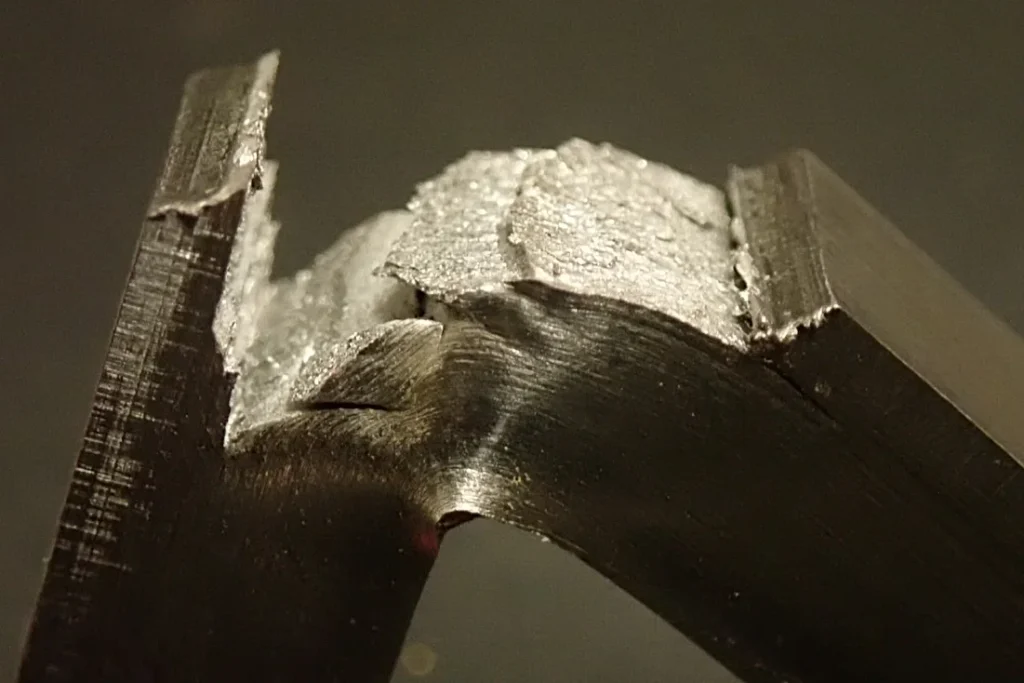
Charpy Impact Testing to ASTM E23
WJMG performs charpy impact testing when ASTM E23 applies to the project.
ASTM E23, Standard Test Methods for Notched Bar Impact Testing of Metallic Materials, establishes procedures for impact testing metallic materials. It addresses areas such as specimen dimensions, notch geometry, testing procedures, temperature control, reporting, and machine verification.
Following the correct standard is important because seemingly small differences in specimen preparation or test conditions can affect the result.
CVN Testing for Welds
CVN testing is also commonly used when evaluating welded materials and welding procedure qualifications.
Depending on the applicable requirement, specimens may need to be removed from specific areas of the weld or nearby base material. The notch location and specimen orientation may also be defined by the governing welding code or project specification.
Because WJMG specializes in welding and metallurgy, our team can evaluate Charpy requirements within the larger context of welding procedure qualification and material performance.
Why Choose WJMG for Charpy Impact Testing?
WJMG combines charpy impact testing capabilities with practical experience in welding, metallurgy, and mechanical testing.
Our capabilities include:
- Charpy V-notch testing
- Cold-condition testing down to approximately -320°F
- NIST-verified testing equipment
- Weld and base-metal evaluation
- Support for ASTM, AWS, ASME, and API requirements
- Related mechanical and metallurgical testing when needed
Clients can also coordinate CVN testing with tensile testing, hardness testing, bend testing, chemical analysis, microscopy, and other laboratory services.
Charpy Impact Testing FAQs
What is a Charpy impact test used for?
A Charpy impact test is used to evaluate how much energy a metal absorbs during a sudden impact. The result provides information about impact toughness under defined test conditions.
What is CVN testing?
CVN testing stands for Charpy V-notch testing. It uses a specimen with a V-shaped notch to evaluate impact toughness.
Why is Charpy testing performed at low temperatures?
Some metals become more susceptible to brittle fracture as temperatures decrease. Low-temperature testing helps determine whether a material meets the required toughness criteria at a specified temperature.
Schedule Charpy Impact Testing With WJMG
If your project requires charpy impact testing for material evaluation, welding procedure qualification, or low-temperature service, WJMG can help determine the appropriate testing requirements.
Contact Welding & Joining Management Group® to discuss your CVN testing needs, required temperature, material specification, and project requirements.